2025 Year-End Wrap Up
Year-end wrap-ups are everywhere right now, so we’re jumping in too, taking a moment to reflect on the Canadian Podcast Awards, the Canadian podcasting community, and the work behind them.
In our case, that work is carried almost entirely by the two of us, myself and my partner Jennifer. It spans everything from the Awards and the database to events, production, and the day-to-day effort required to keep things running. What began alongside other commitments has gradually become the primary focus of our lives. Much of this work is invisible from the outside, entirely unpaid, and deeply time-consuming. It often limits our ability to pursue other opportunities, but it’s work we continue to believe in.
We share this context not to make it about ourselves, but to be open about what it takes to keep this kind of community-driven infrastructure going in an environment that often rewards scale and visibility over care, continuity, and long-term stewardship.
From the beginning, our goal has been to provide recognition, visibility, and connection to podcasters. That goal feels especially important in a landscape shaped increasingly by algorithms and platforms rather than craft, context, or perspective.
So what follows is our year-end reflection, broken into sections that touch on the numbers, the work we do, the events we’re part of, and where things may go next.
The Numbers
Let’s start by grounding this retrospective with a few numbers.
In 2025, more than 500 new membership applications were submitted to the Canadian Podcast Awards. These came from across the country, with strong representation from Ontario, Quebec, British Columbia, and Alberta.
Each application goes through a time-intensive review process where Jennifer individually confirms that it represents a Canadian individual who is actively podcasting. This step is essential to maintaining the integrity of the Awards membership.
The Canadian Podcaster Discord server saw seventy-six new members join this year. Created by Al Grego, it continues to function as a peer-driven space sustained through active participation from the community itself.
In 2025, 419 podcasts were added to the database. This includes 120 shows that launched this year, alongside many established series, some with more than 100 episodes. French-language podcasts accounted for roughly five percent of new additions.
Among the podcasts added this year are shows that self-identify as being created by people from communities that are often underrepresented or actively marginalized, including BIPOC, 2SLGBTQIA+, Indigenous, neurodivergent, disabled, and older creators. Including this information is voluntary. It helps reflect the range of voices contributing to Canadian podcasting at a time when cultural, political, and technological pressures continue to narrow whose perspectives are amplified.
The Awards
Now let’s dive into the most demanding part of our year, the titular Canadian Podcast Awards. During a short window every year, the awards become a round-the-clock operation as registrations surge and each submission is reviewed and verified to confirm that it qualifies as Canadian before being shortlisted. Coordinating submissions, jurors and the preparation of emails, graphics, voting materials, press releases, and public announcements all happens within this same compressed period.
At the core of this process is a commitment to building something that reflects the full range of podcasting happening across the country, not just the loudest or most resourced corners of it, with an emphasis on open, RSS-based work that exists beyond any single platform.
The Awards are shaped by the community itself. Creators submit their work, peers nominate, and jurors listen closely. What’s reflected each year comes directly from who participates and how.
The online ceremony is a major production. Design, scripting, editing, and assembly are paired with coordinating presenters, acceptance speeches from nominees, and shaping that material into a cohesive program. Once production begins, this work takes several weeks of full days to complete. While sponsorship support makes the ceremony financially possible, the cost of outsourcing this work at a professional level would far exceed the available budget. Producing the ceremony in-house relies heavily on more than two decades of experience as a graphic designer and web developer being given freely.
What continues to make the work worthwhile is seeing how nominees and winners use the Awards as a springboard. Over the years, we’ve seen shows leverage recognition to secure sponsors, build partnerships, grow audiences, and take part in new events and opportunities. The Awards exist not just to recognize work in a single moment, but to help that work travel further and find new paths forward.
Community Events We Produce
In addition to the Awards, a significant part of our year is spent organizing in-person events that bring the Canadian podcasting community together.
PodCamp Toronto remains our largest and most complex event outside of Awards season. It is a two day peer-led conference built around skill sharing, conversation, and connection, requiring months of planning. Sponsor support helps cover real operational costs while keeping the event accessible to more than 300 people every February. Lily Mills has played a central role for the last nine years in shaping PodCamp’s programming and managing volunteers, and the event would not be possible without her work.
CampFire operates on a smaller, more intimate scale. Supported primarily through ticket sales, it is designed to create space for deeper conversations and relationship-building. It fills a distinct role alongside PodCamp, offering a quieter, more focused environment for connection, and marshmallows.
We also kicked off the year with a podcaster meetup to reconnect the community. This was only possible thanks to Storm Crow generously providing space. Finding affordable venues in Toronto remains one of our biggest challenges, and without partners like George Brown College willing to support community use, many small gatherings would not be feasible.
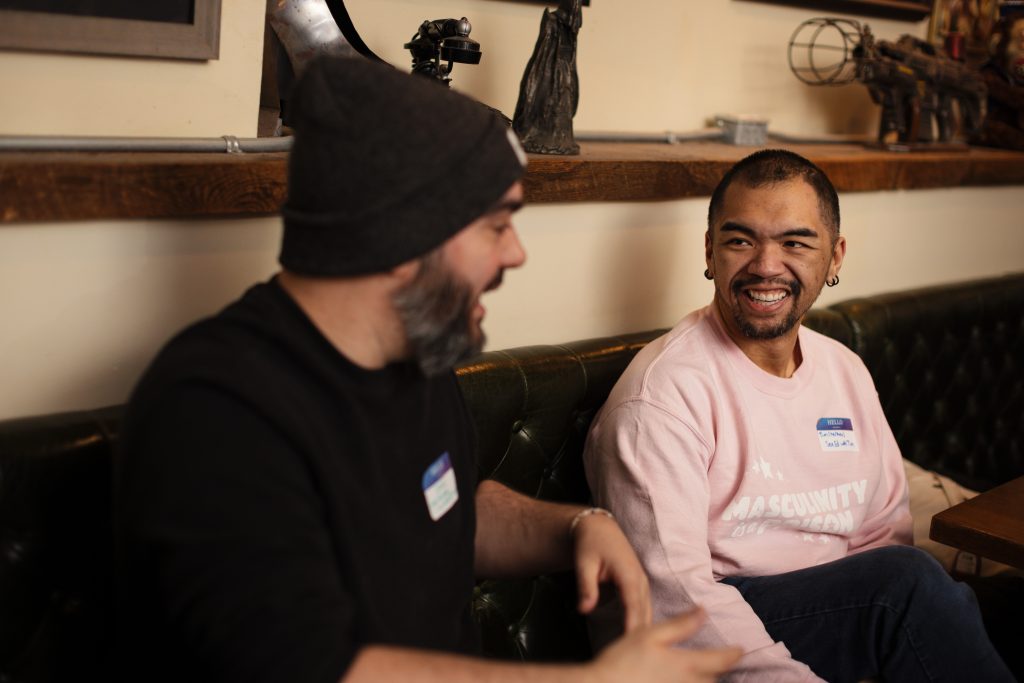
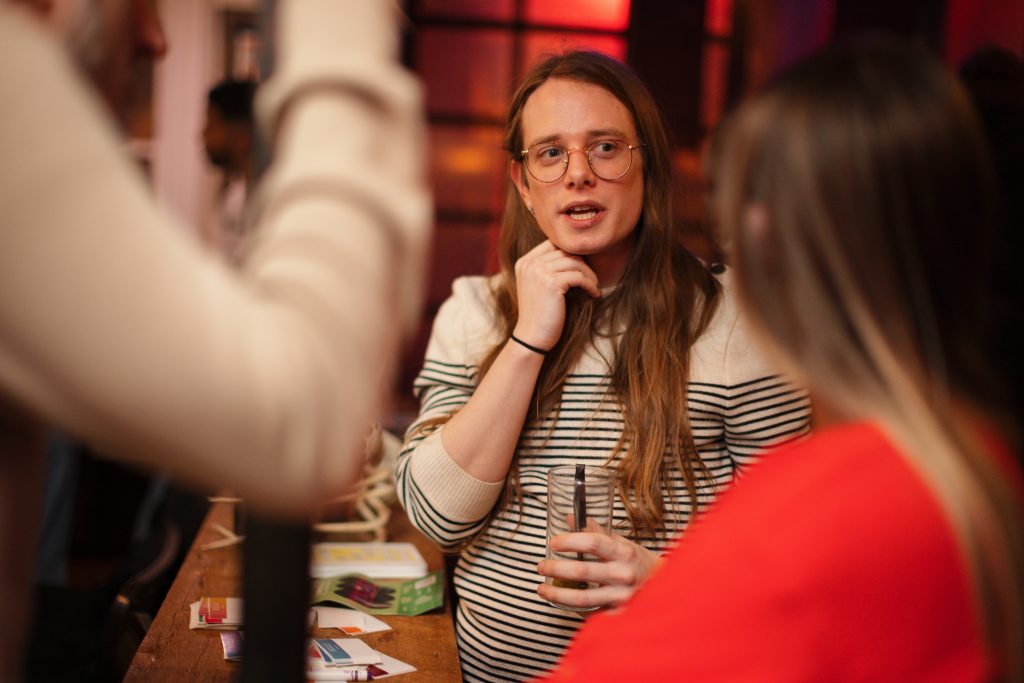
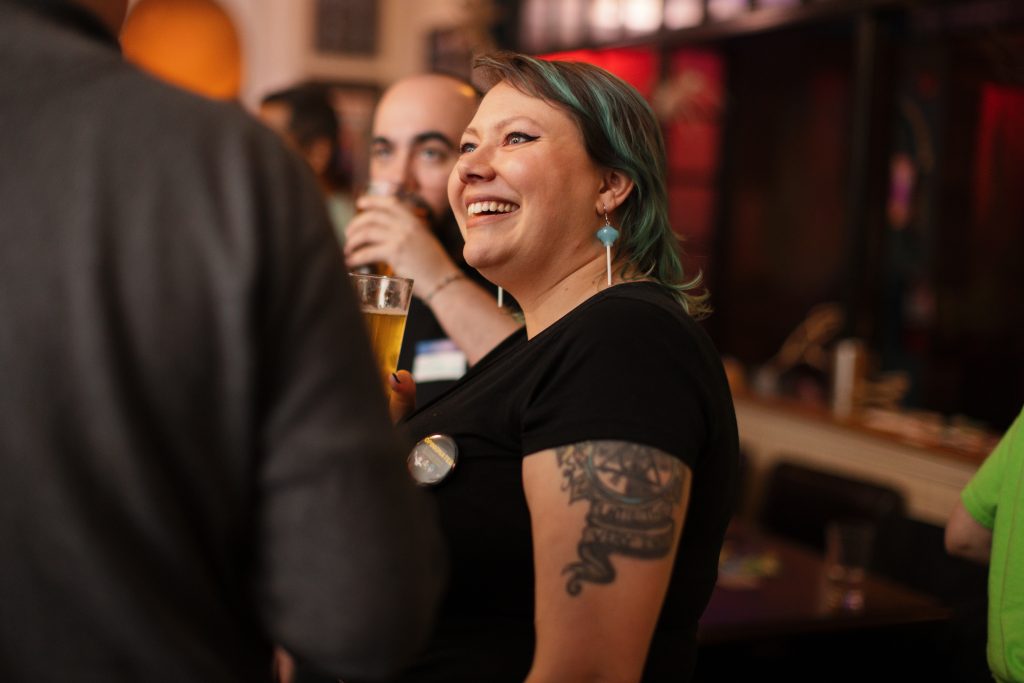
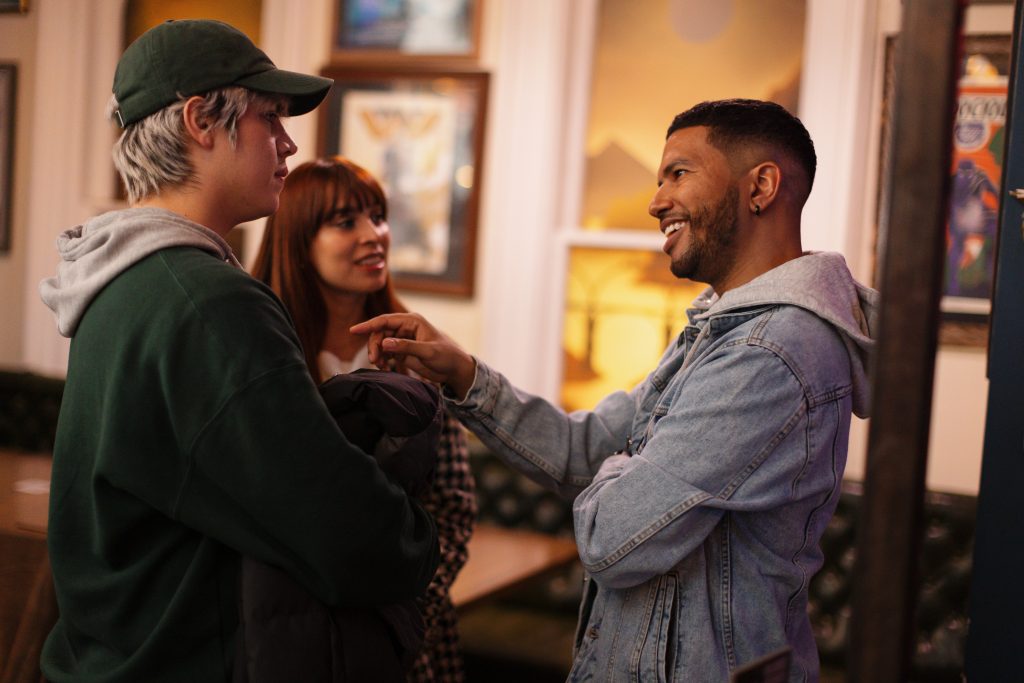

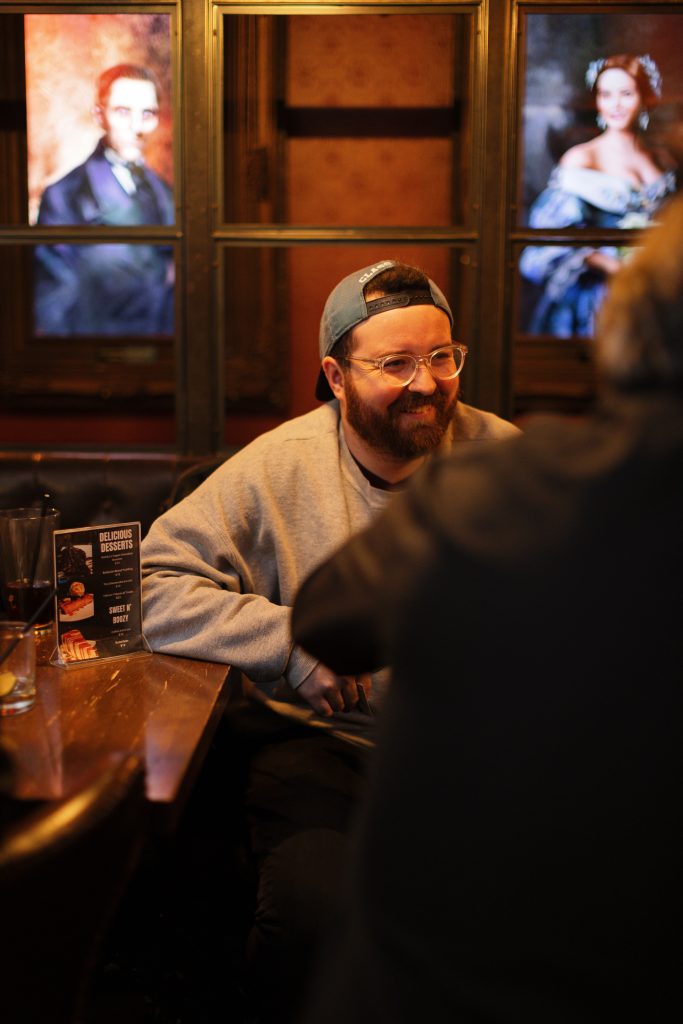
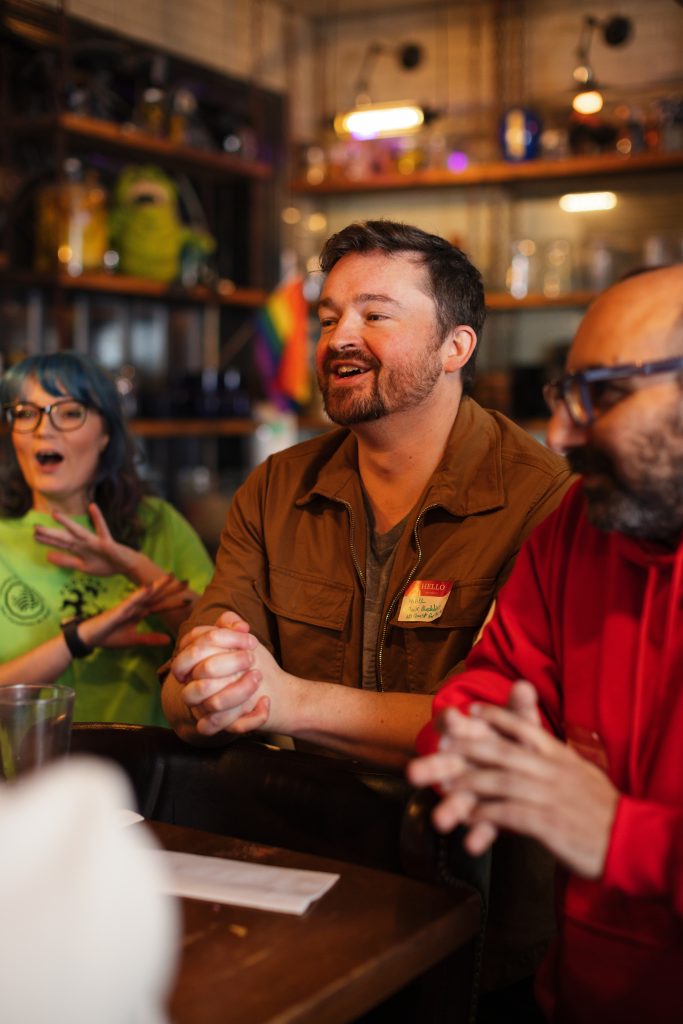
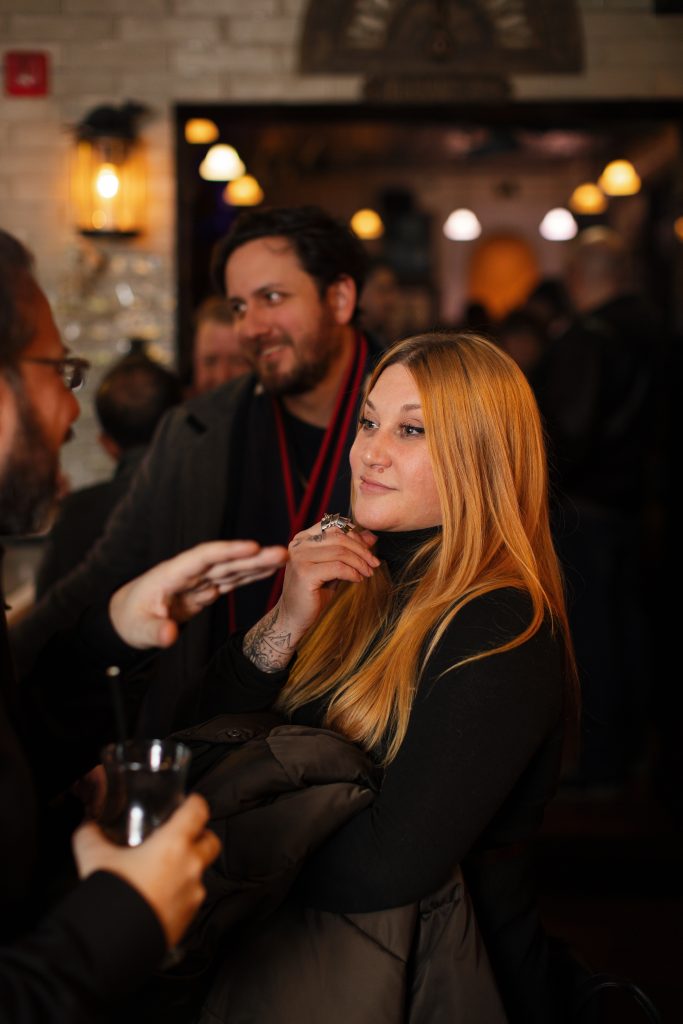
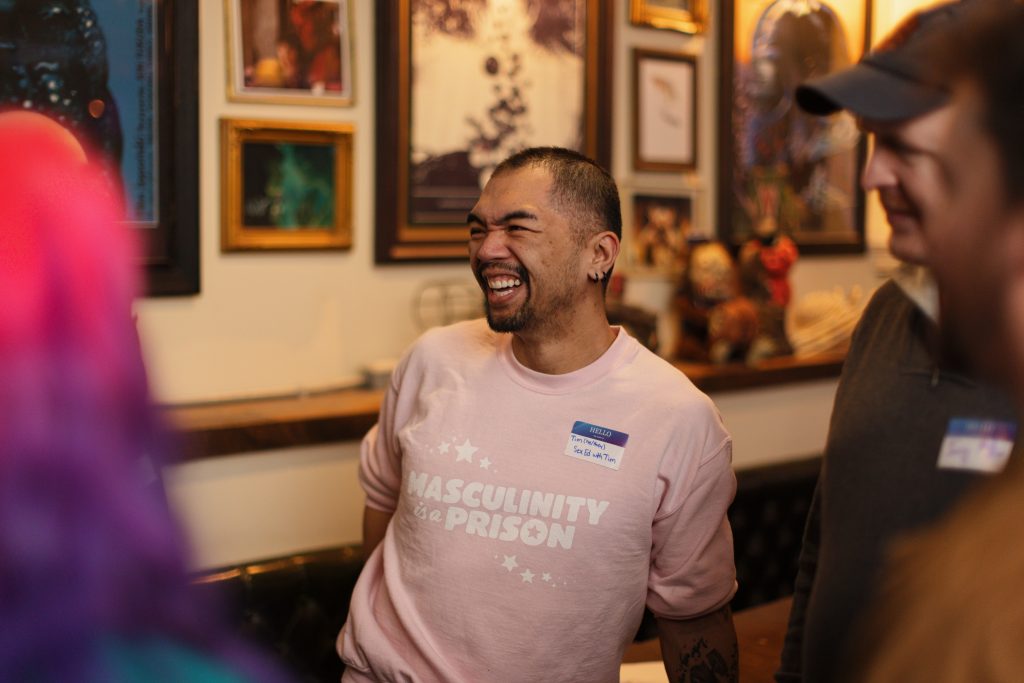
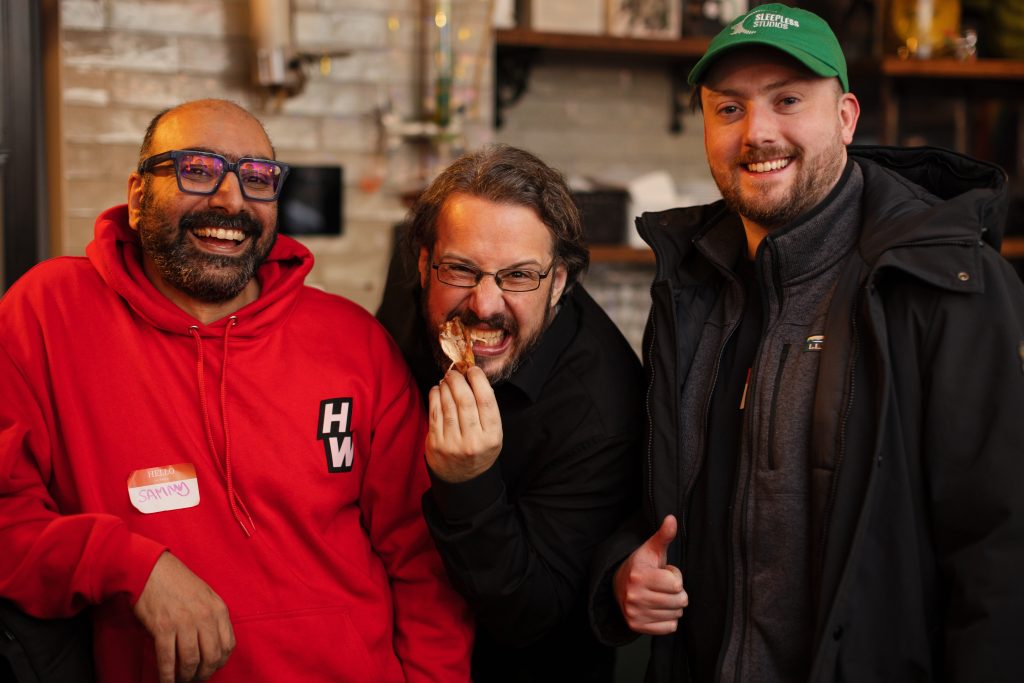
Across all of these events, the goal is the same: to create spaces where podcasting is shaped by people, not platforms or metrics. That doesn’t happen on its own. It requires months of planning, constant communication, a lot of one-on-one support, cold outreach, and the reality of competing for limited sponsor dollars, alongside the design and web work needed to support each event. These gatherings exist because the community chooses to show up, share knowledge, and participate, and that participation is what gives them meaning.
Booth-Based Events and Public Outreach
Another significant part of our work this year involved promoting Canadian podcasts directly to the public through booth-based events.
At events such as Toronto Comicon, Fan Expo, and the Eh! Game Expo, we set up spaces where podcasters could promote their shows face-to-face with audiences of well over 100,000 people. This kind of visibility gives independent podcasts access to audiences far beyond their existing listener base.
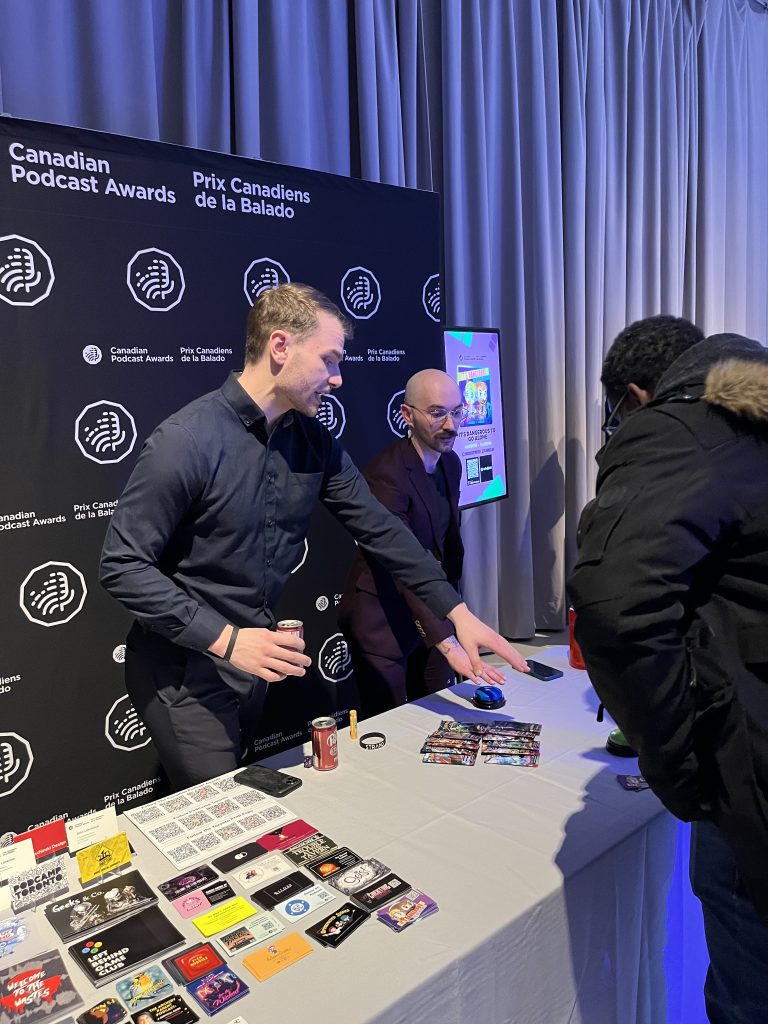
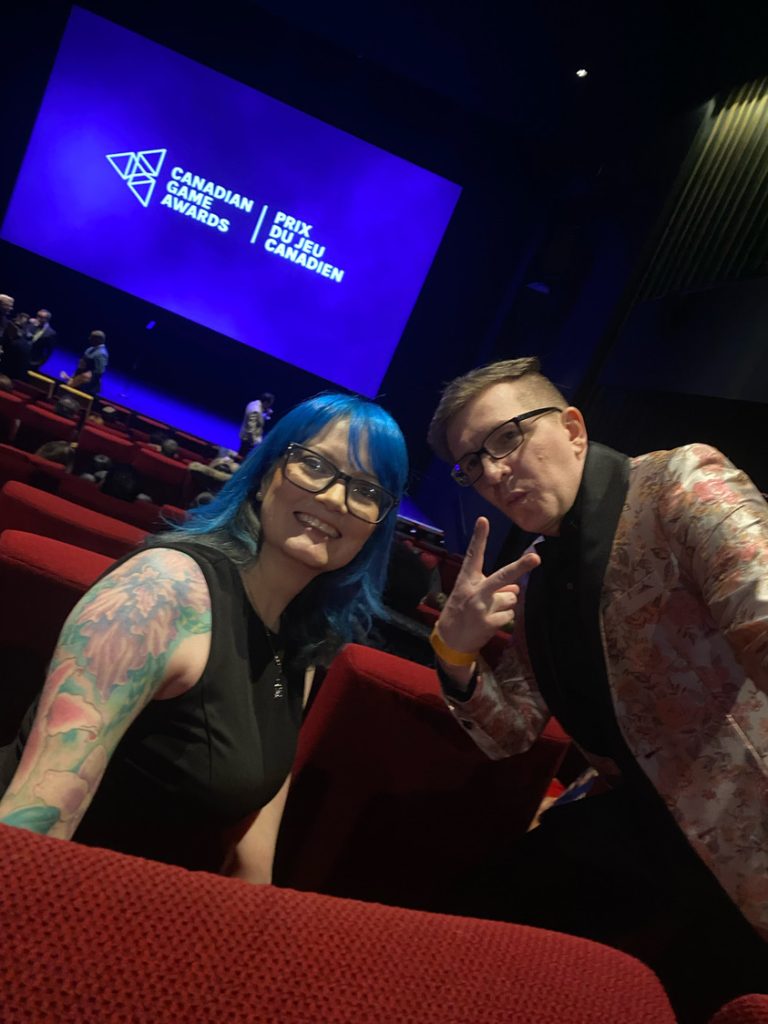
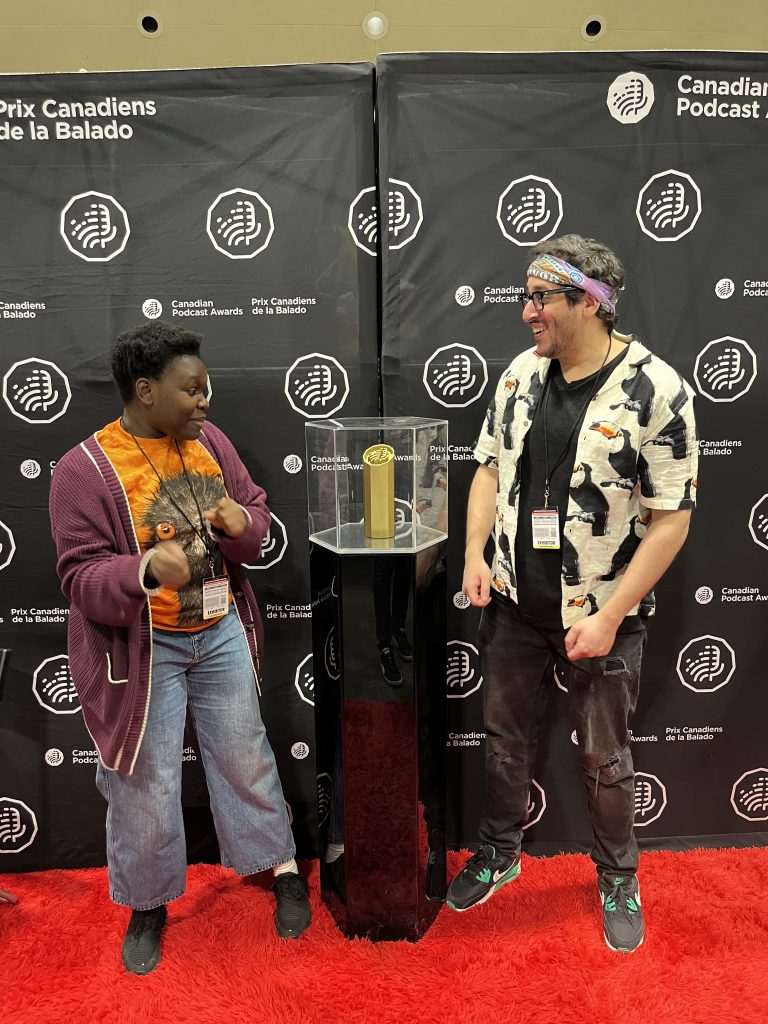
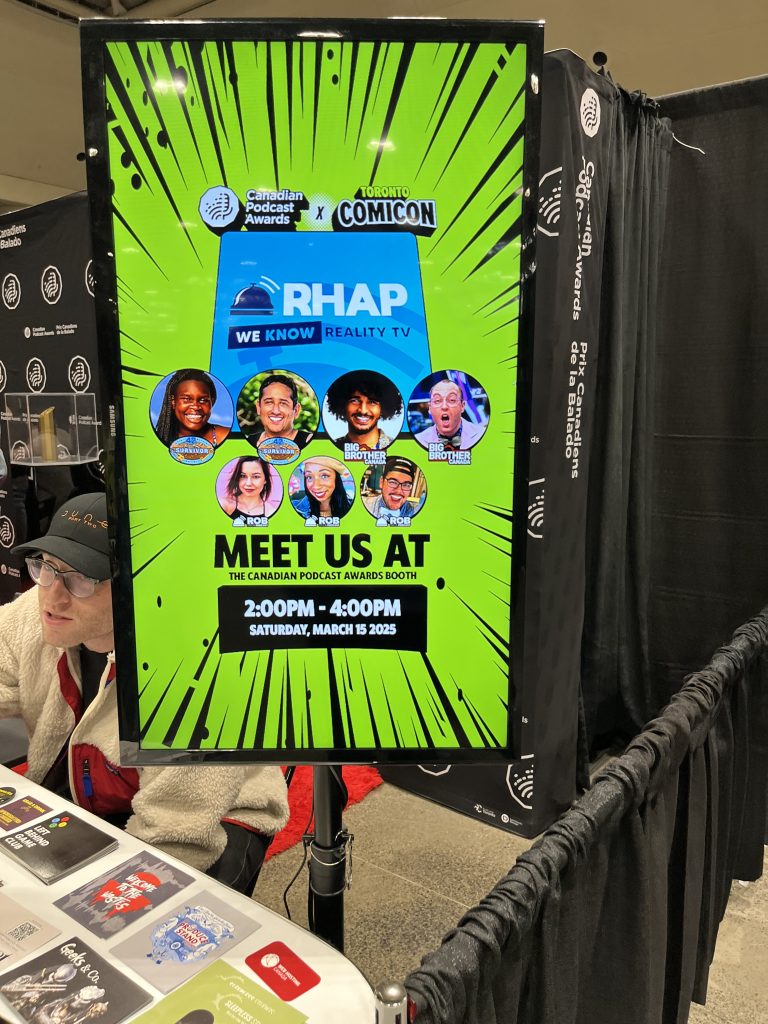
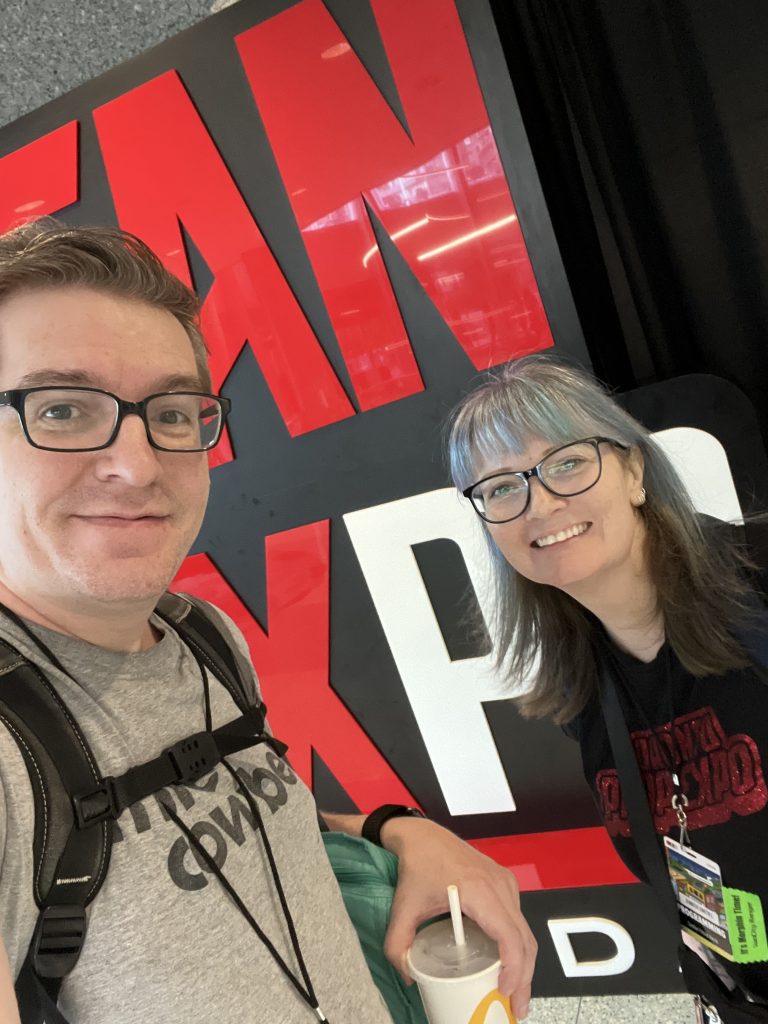
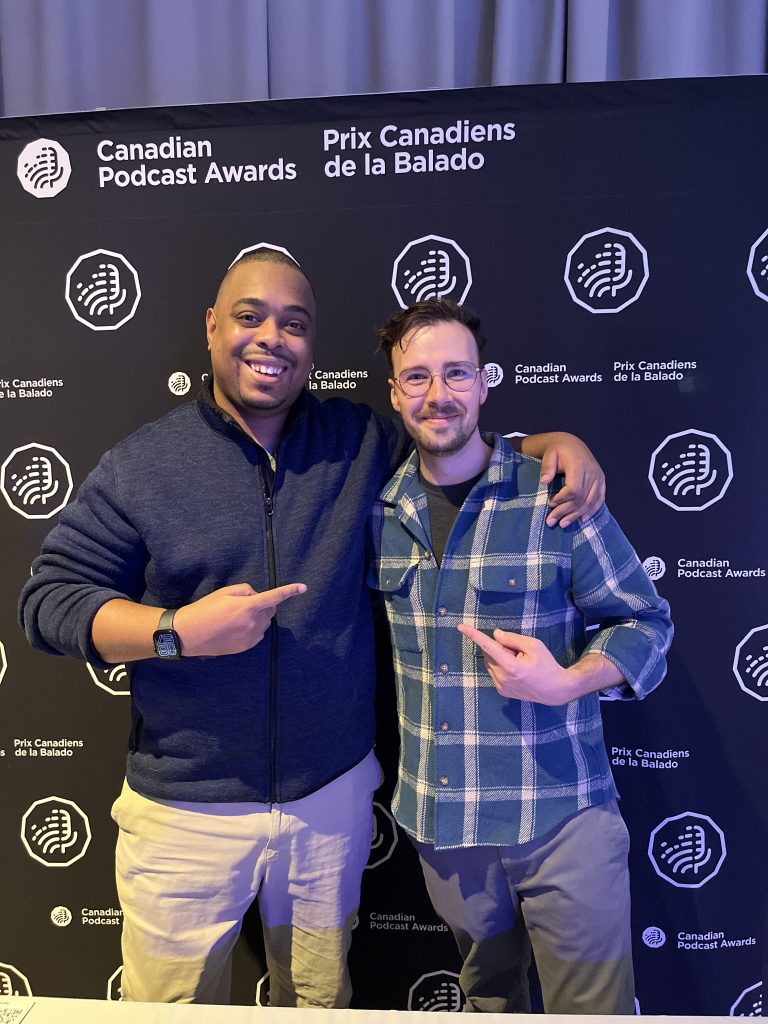
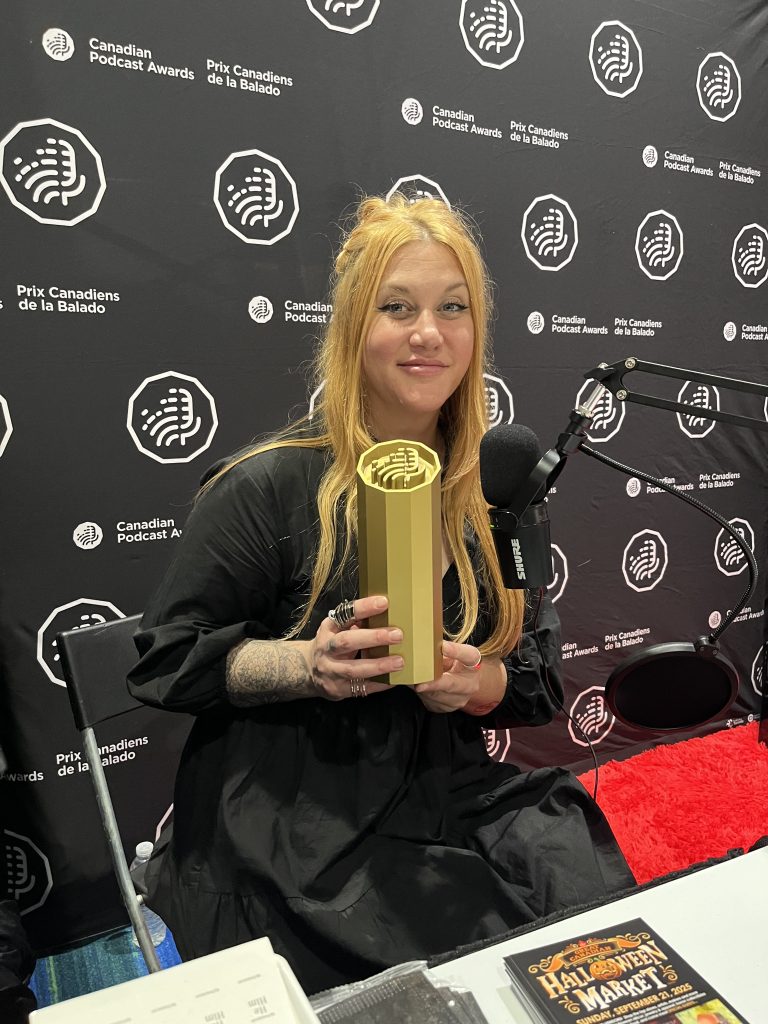
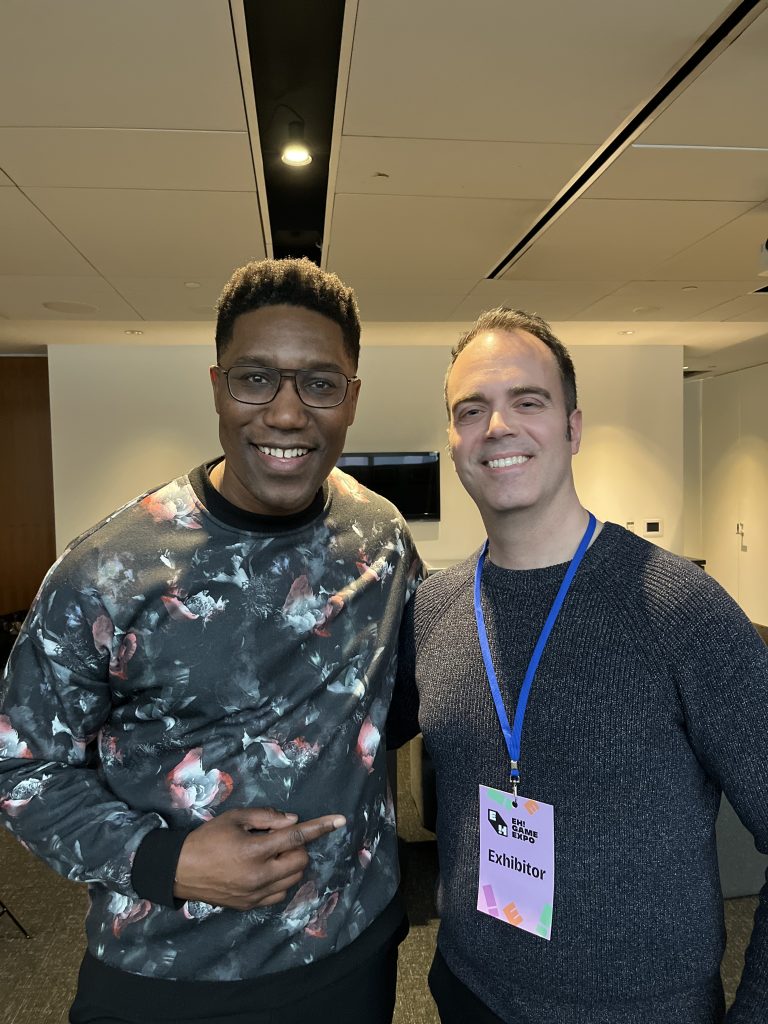
Supporting these appearances requires planning, equipment, transportation, setup and teardown, coordination with podcasters, and the creation of a large volume of digital assets. Each day involves producing and publishing graphics, stories, and reels to highlight participating podcasts as events unfold. On-site days are long, often starting around 6 a.m. and running until late in the evening, leaving us little time to enjoy the events ourselves.
We continue to prioritize this kind of outreach because direct, in-person engagement remains one of the most effective ways for podcasts to reach new audiences without relying on paid advertising or platform algorithms.
Beyond Our Core Projects
Outside of our major projects, we showed up where we were invited and made space where it made sense to participate, as part of the broader podcasting and media community.
This included attending the community night at Sleepless Studios, taking part in events organized by podcasters, and spending time at industry and cultural gatherings. We moderated a panel with the team behind Boys Like Me and CBC Podcasts at TO WebFest. We also attended events hosted by organizations such as CIRA, as well as the CBC’s fall season preview.
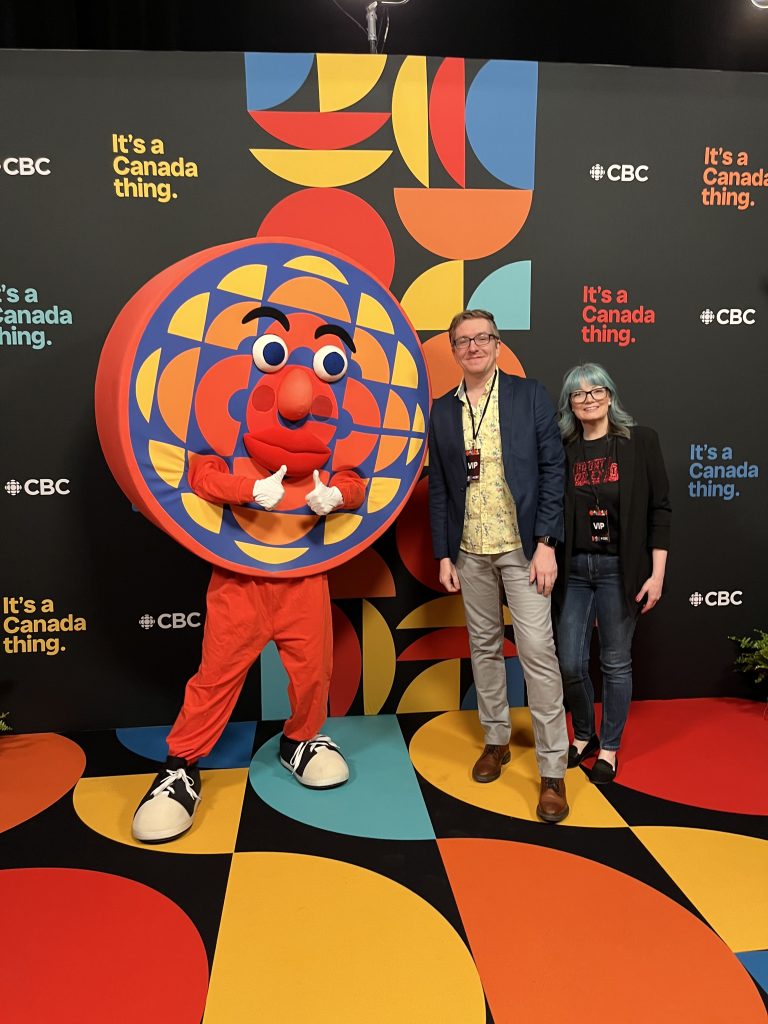
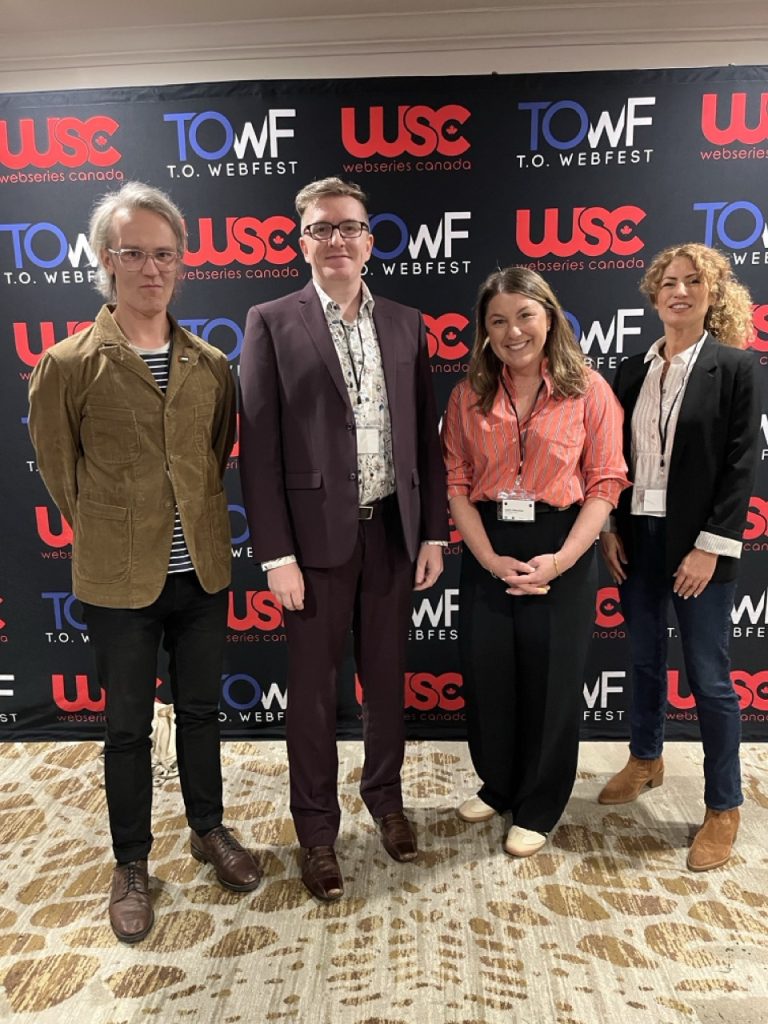
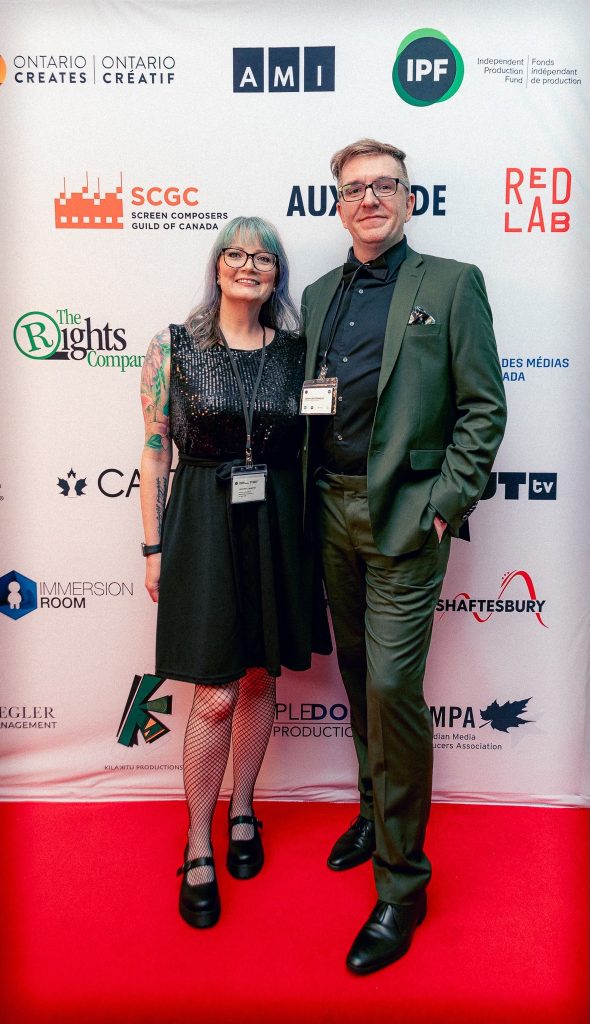
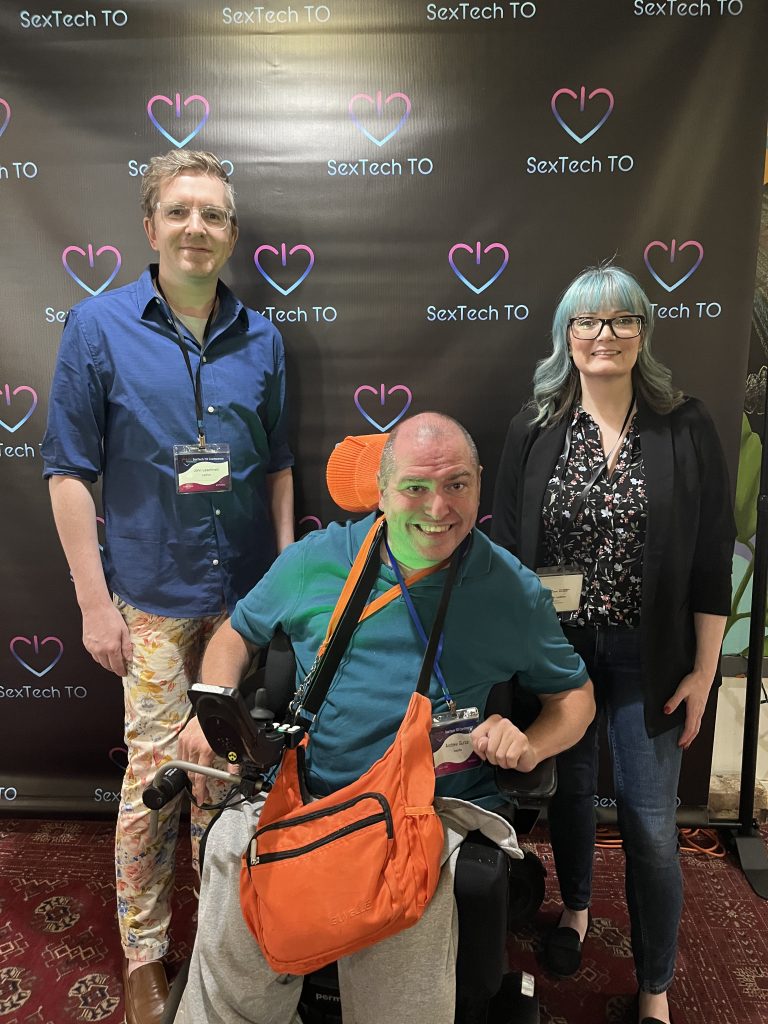
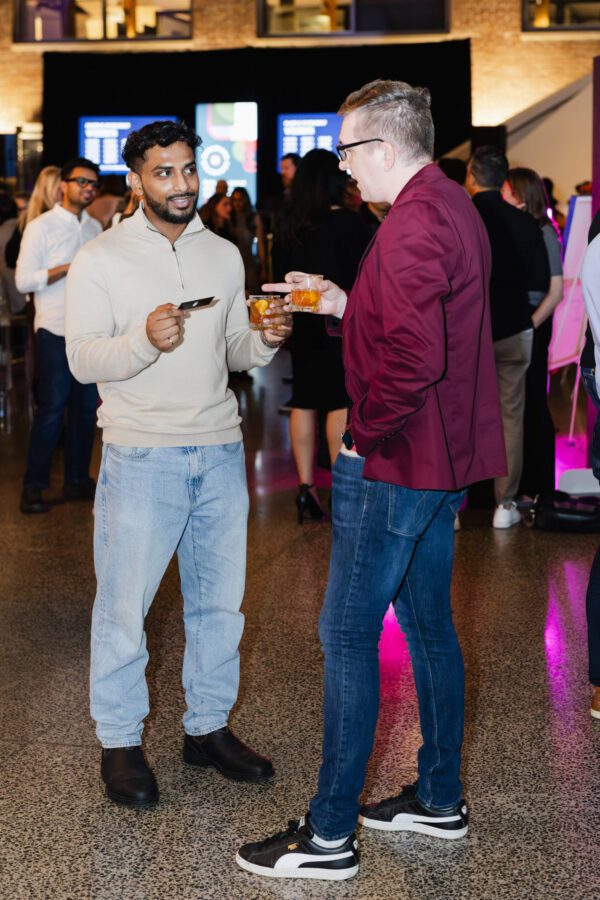

We partnered with SexTech TO, where Canadian Podcast Awards alumnus Andrew Gurza delivered the keynote, and supported cross-promotion between SexTech TO and PodCamp Toronto. We also took part in community-led initiatives like the Hanlan’s Point cleanup.
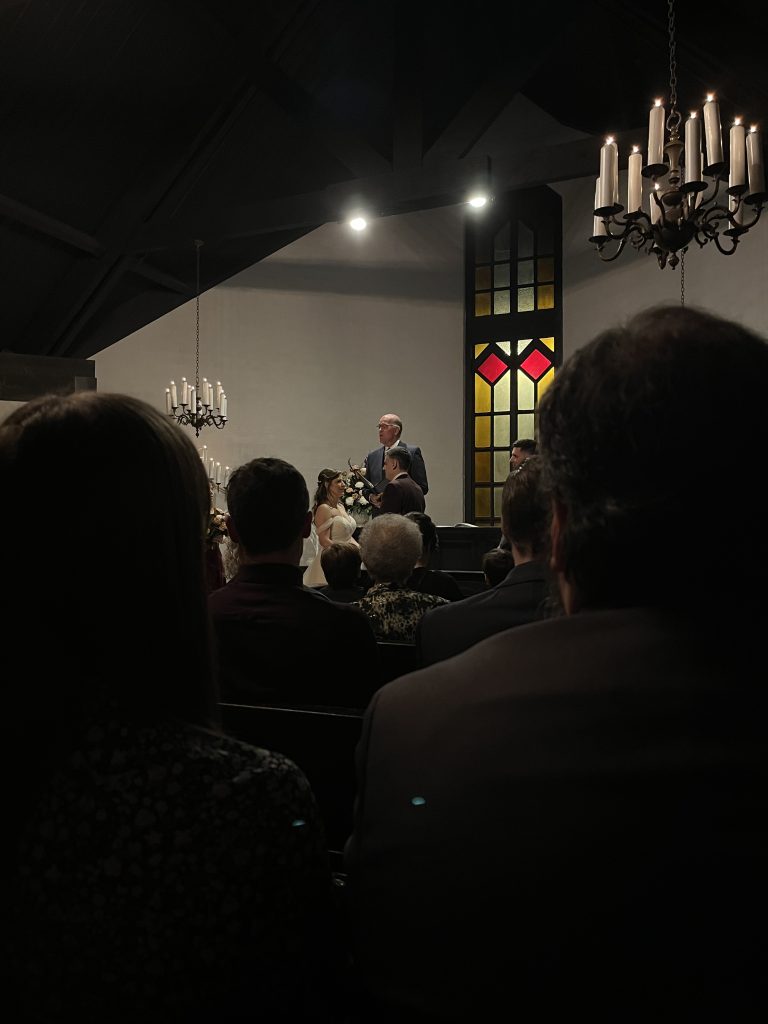
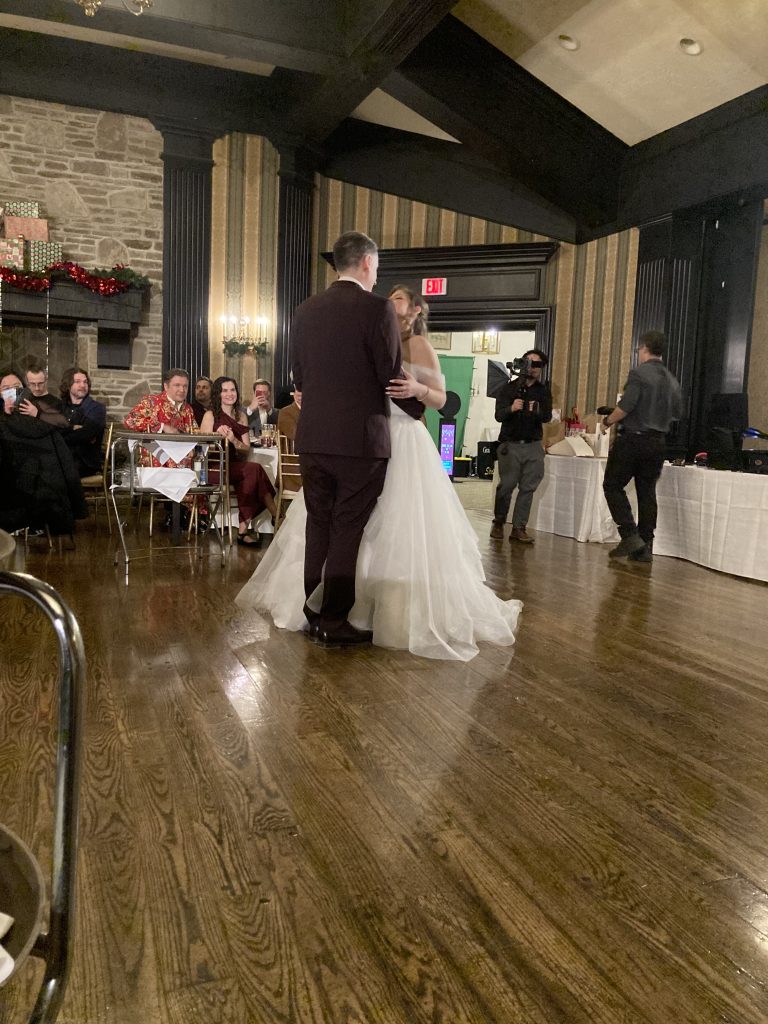
Some moments were personal, attending the wedding of Michael and Marianna from the Sonar Network was a reminder of how relationship-driven Canadian podcasting remains. These connections, built over time and often outside formal programming, are what quietly support much of the work that happens publicly.
Looking Ahead
As we look toward 2026, our focus is on continuing the work we’ve been doing while strengthening connection across the community.
We’d love to work with members to host meetups for us in the cities we can’t travel to. Our goal is to help enable and support these gatherings so members can represent the community and bring people together locally while connecting with people we might not have a chance to otherwise.
We’re also thinking about sustainability, and what it will take to maintain this work over the long term in a way that’s healthy, realistic, and better supported given the amount of time and care it requires, without losing what makes it community-driven.
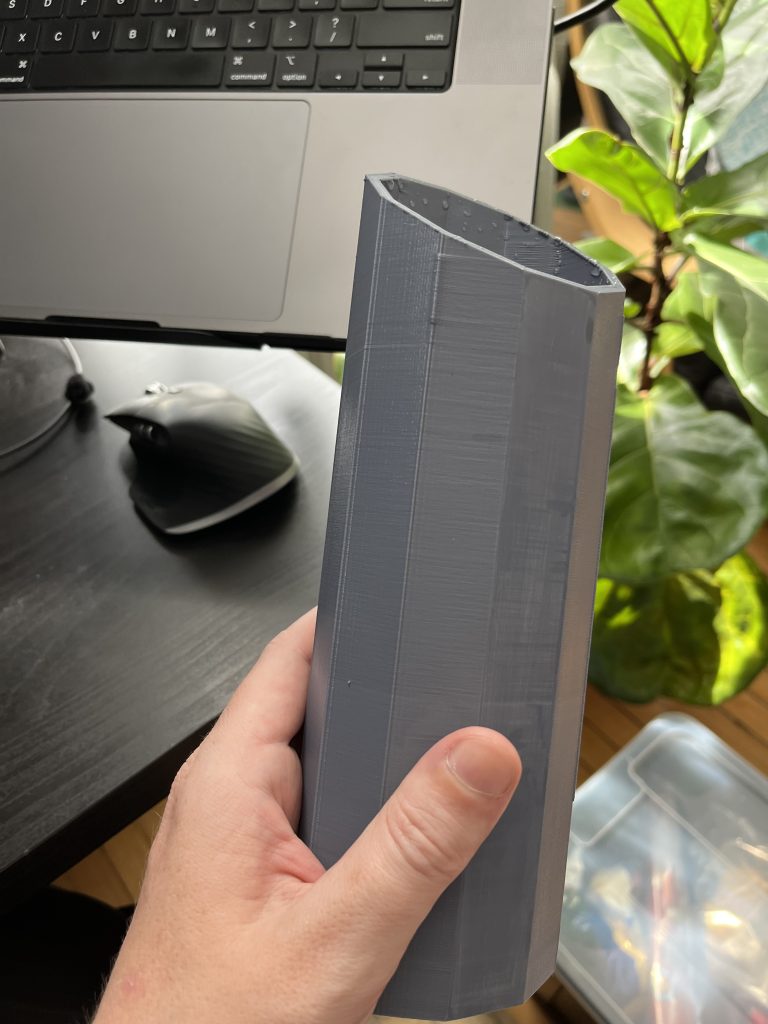
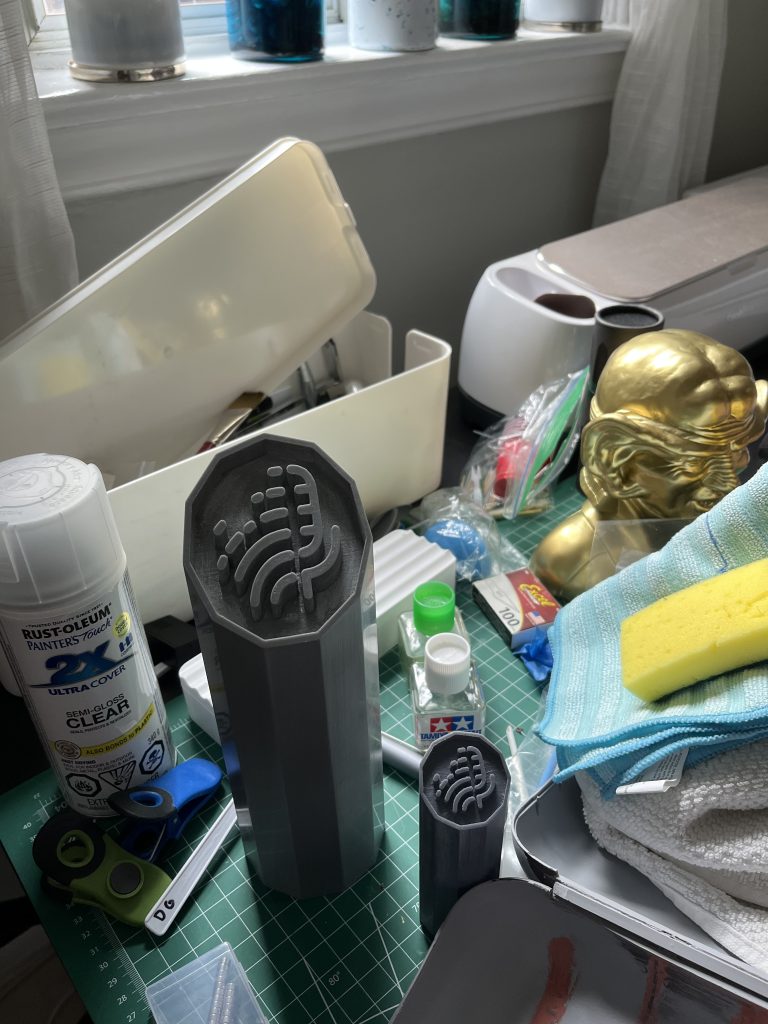
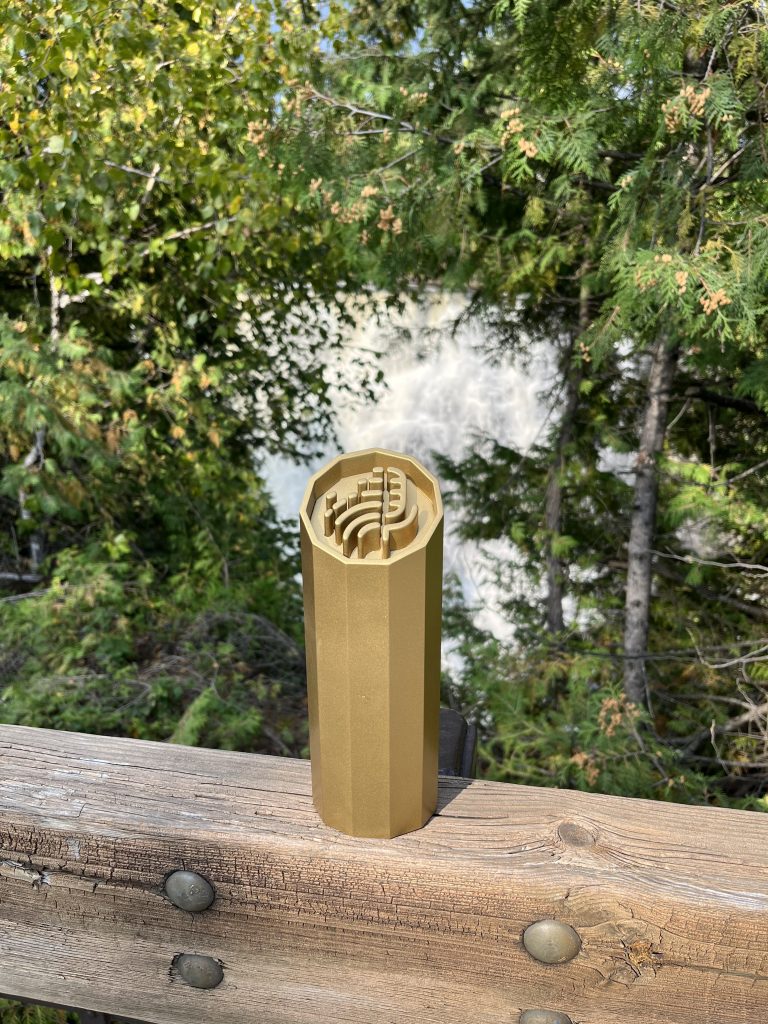
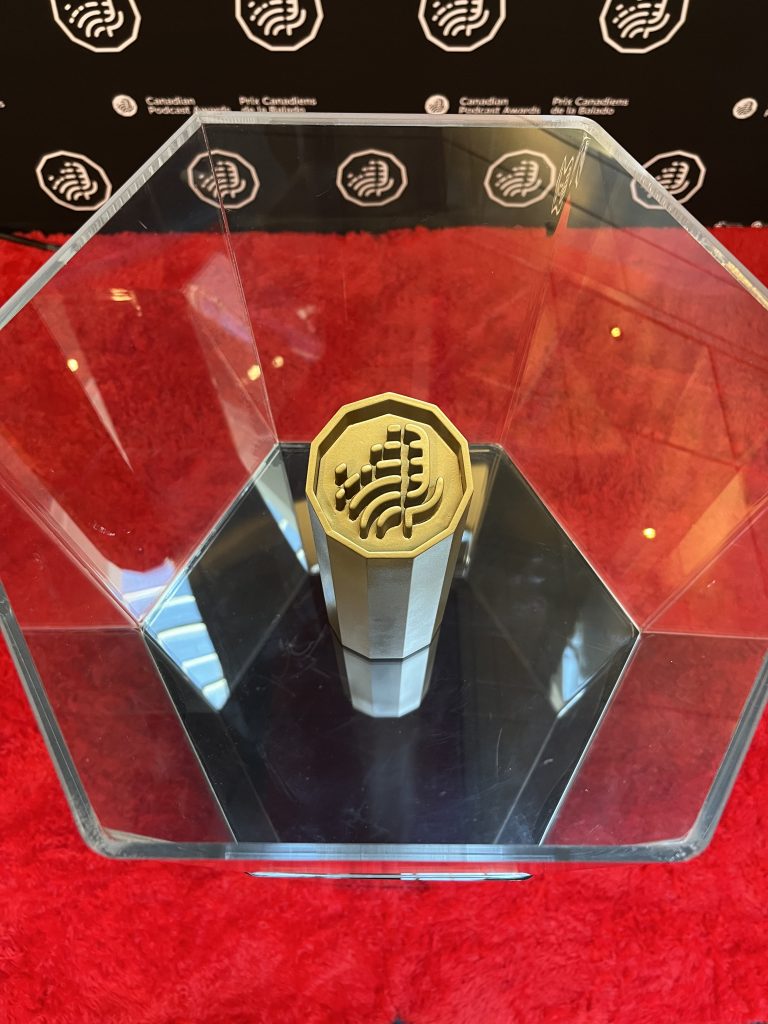
A lot of people have asked about a physical award trophy, and yes, we’re still working on it. So far manufacturing quotes have come in much higher than we expected, around $500 per unit. In the year ahead, we’ll be experimenting with different materials and production approaches to find something we’re proud of to represent the Awards and stay reasonably affordable for winners who want one.
If you’re looking for ways to support this work, there are a few simple but meaningful things that make a real difference. Making introductions to potential sponsors or partners, especially to people you already know or work with, helps open doors that are otherwise hard for us to access. Introducing us to others in the industry, whether they’re creators, organizers, or people working behind the scenes, helps strengthen the network that this community relies on. Inviting us to events you’re organizing, whether to attend, participate, or simply be present, helps keep us connected to where podcasting is happening.
Much of what sustains this work comes from relationships and word of mouth, and those connections are often what make new opportunities possible.
Thank You
None of this work happens in isolation.
We are deeply grateful to sponsors like Shure, Web Hosting Canada, AmberMac Media, and others who supported the Canadian Podcast Awards, PodCamp Toronto, and our broader community work all year. Your support helps cover the costs and makes it possible to keep these projects accessible while maintaining their integrity.
Thank you to the jurors who dedicate time and care to listening closely and thoughtfully. Your attention and effort are essential to the Awards and to recognizing the range of work being created across the country.
We’re also grateful to the volunteers, collaborators, and partners who step in where they can, from helping shape programming, to offering space, to supporting events in ways both visible and unseen.
Thank you to venues and hosts who open their doors to community use, including Storm Crow and George Brown College, and to organizations that invite us into their spaces and conversations throughout the year.





Most of all, thank you to the podcasters themselves. To those who submit, nominate, vote, participate, and show up. The Canadian Podcast Awards and everything around them exist because you choose to take part, and we don’t take that lightly.